


Prostatitis is considered the most common reason for men to see a urologist.The problem is not in the inflammatory process itself, but in the consequences.Men seek help late, and the disease enters the chronic phase and causes complications.Therefore, it is necessary to see a specialist at the right time, at the first symptoms.The doctor will immediately prescribe medication, which must be taken on an ongoing basis.

What is included in therapy
Drug treatment of prostatitis must be carried out in a complex manner.The entire scheme includes several groups of medications that help combat the disease, acting in several areas at the same time.The course of treatment consists of 6 types of medications:
- Antibacterial agents.
- Hormonal drugs.
- Alpha-adrenergic blockers.
- Muscle relaxants.
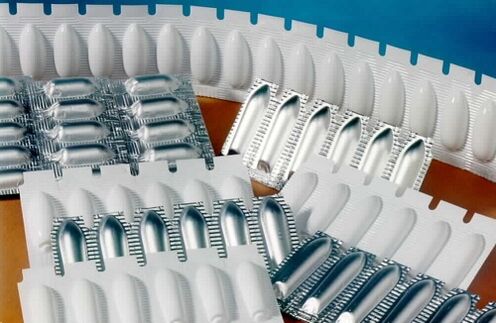
- Rectal suppositories.
- Products that strengthen the immune system.
However, it is important to know that the drug treatment of prostatitis is different for each man.Each procedure is selected individually by a urologist.Self-medication is strictly prohibited, as ignorance of medications can cause serious health problems.
Drug treatment
If prostatitis in men occurs without symptoms, antibacterial therapy is questionable.The duration of therapy should be at least a month, after which it should be extended for another month.If there is no effect, the doctor may change the regimen and remove the antibiotics.They are replaced by plant extracts or alpha-blockers.
During the empirical course of treatment, fluoroquinolones are prescribed.They have high bioavailability and rapid penetration into the prostate mucosa.They also have the advantage of being active against gram-negative organisms, chlamydia.Indicators after treatment of chronic prostatitis do not change when it comes to a specific medication.Positive results can only be observed after an integrated approach to the disease.
It is advisable to take antibacterial medications as a prevention and treatment of bacterial inflammation.
If there is a repeated recurrence, the doctor may prescribe prior treatment for prostatitis with medications that have the ability to destroy bacteria, but the dosages are usually lower.If antibacterial drugs do not have an effect, it means that they were chosen incorrectly or that there are bacteria in men's bodies that are immune to this type of medication.
When are antibiotics necessary?
Prostatitis usually occurs for two reasons.In the first case, it involves the penetration of harmful elements;in the second, from the interruption of blood flow in the pelvic organs.Antibiotics for an inflamed prostate are especially beneficial if the disease is caused by bacteria.If there are no antibacterial drugs in the complex regimen, the inflammatory process will not subside and the symptoms will remain.
The course of pills for each man is selected individually and a specific general scheme is calculated.In the acute phase of prostatitis, ignoring antibiotics can lead to complications.As a rule, we are talking about adenoma and impotence.If the disturbed flora is not normalized, it can spread to third organs and cause pyelonephritis or cystitis.It turns out that prostatitis, which the man has not fully treated, causes not only kidney problems, but also urolithiasis.

It is important to know that medications are needed for prostate inflammation;Without them, the treatment will not bring any results.In addition, the disease can provoke pathological processes in the pelvis.If one of the men often experiences exacerbations and does not turn to a specialist, he risks facing negative consequences in the future.
Rules for prescribing medicines
Medications are prescribed immediately after the man visits the urologist and explains his problem.This is especially true for the acute phase of the inflammatory process.This means that the doctor will not wait for tests and will immediately prescribe the necessary treatment regimen.In the first few days, the following scheme is selected:
- drugs from the macrolide group;
- aminoglycosides;
- fluoroquinolones.

The most effective drug therapy is selected after receiving test results
Erythromycins are prescribed less frequently because they cannot destroy bacteria en masse.After taking the tests, it takes a few days for the results to be taken to a specialist.After studying them, the doctor selects treatment or prescribes a more modern and exclusive medicine.This only applies to inflammation, which occurs in a mild form.
The age of men must also be taken into account.Your illnesses at the time of examination and allergies will be an indicator for adjusting the course of treatment.In turn, the man must inform the doctor about the medications he has recently taken or is currently using.It is important to note that if a man took antibiotics several days before prostatitis, there is a high risk that similar medications will not help him in the process of treating an inflamed prostate.
In addition to the universal scheme, the doctor has a “rainy day scheme”.It is used when there is no effect from the prescribed course.Such a scheme has a strong effect on the body.They will be prescribed only when conservative treatment does not help at all.Repeated tests usually show zero effect.
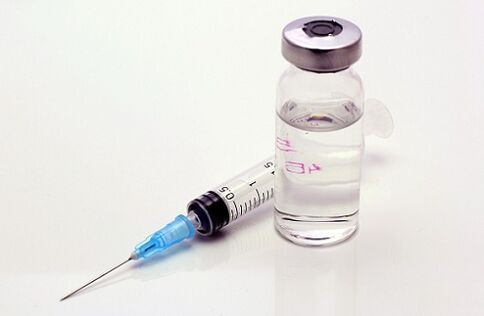
If strong antibiotics are identified, it is advisable to use them in injections, and it is advisable to be in the hospital at this time.For treatment at home, antibiotic capsules for men are selected, the dosage and schedule of which are carefully prescribed by the doctor.Of course, drug treatment of prostatitis requires compliance with a number of recommendations.Medications need to be taken for a set number of days, usually about 2 weeks.Then the antibiotics are stopped or slightly prolonged.
The entire prescribed scheme must be followed to the end.When treatment is stopped, a positive “stain” begins to form, through which the infection will move into the chronic stage.3 days should pass from the start of therapy until the symptoms disappear.If the signs of prostatitis do not disappear within the expected time, you should immediately go to the doctor and review the treatment regimen.
After adequate treatment, men's quality of life visibly normalizes.Pain and discomfort when urinating disappear.With universal therapy, the symptoms practically do not disappear.As a rule, painful spasms (75%) and difficulty emptying the bladder (70%) remain.Ejaculation is uncomfortable for 40% of men.If there is no immunomodulator in the regimen, prostatitis will return again, and its presence in therapy is mandatory.Without it, signs of the disease practically remain at a standstill.